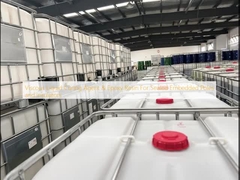
suitable supplier of epoxy resin and hardeners insulation electrical goods

Other Videos
November 01, 2023
Category Connection: Outdoor Epoxy Resin
Brief: Discover the high-quality Transparent Outdoor Epoxy Resin for Electrical Insulation Material of Casting, perfect for electrical insulation applications. This epoxy resin system, LE-8516, paired with weather-resistant hardener LH-8516, offers excellent electrical properties, thermal stability, and durability for outdoor use.
Related Product Features:
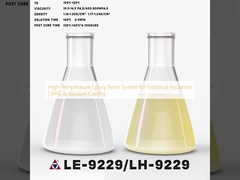
  • Transparent, light yellow epoxy resin (LE-8516) with a viscosity of 500-1000 mPa.s at 25°C.
  • Modified weather-resistant acid anhydride hardener (LH-8516) with a viscosity of 200-500 mPa.s at 25°C.
  • High thermal stability with a thermal decomposition temperature above 320°C.
  • Excellent electrical insulation properties, including surface resistivity of 10^14Ω and volume resistivity of 10^15Ω.cm.
  • Low water absorption (0.10-0.20% by wt. after 10 days at 23°C).
  • Suitable for automatic pressure gelation and vacuum casting processes.
  • Complies with ROHS and REACH safety regulations, with ISO9001, ISO14001, SGS, and UL certifications.
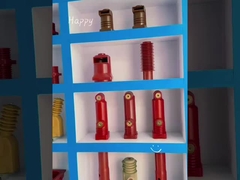
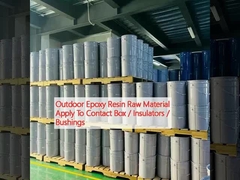
  • Widely used in electrical equipment like insulators, transformers, and printed circuit boards.
FAQS:
  • What are the key properties of the Transparent Outdoor Epoxy Resin?
    The epoxy resin features high thermal stability (thermal decomposition >320°C), excellent electrical insulation (surface resistivity 10^14Ω, volume resistivity 10^15Ω.cm), and low water absorption (0.10-0.20% by wt.).
  • How should the epoxy resin and hardener be stored?
    Store the components in tightly sealed, dry original containers at 6-35°C. The shelf life is typically 12 months, and partial containers should be sealed immediately after use.
  • What applications is this epoxy resin suitable for?
    It is ideal for electrical insulation in high-voltage equipment, including insulators, transformers, cable insulation layers, and printed circuit boards, providing reliable protection against electrical failures.